

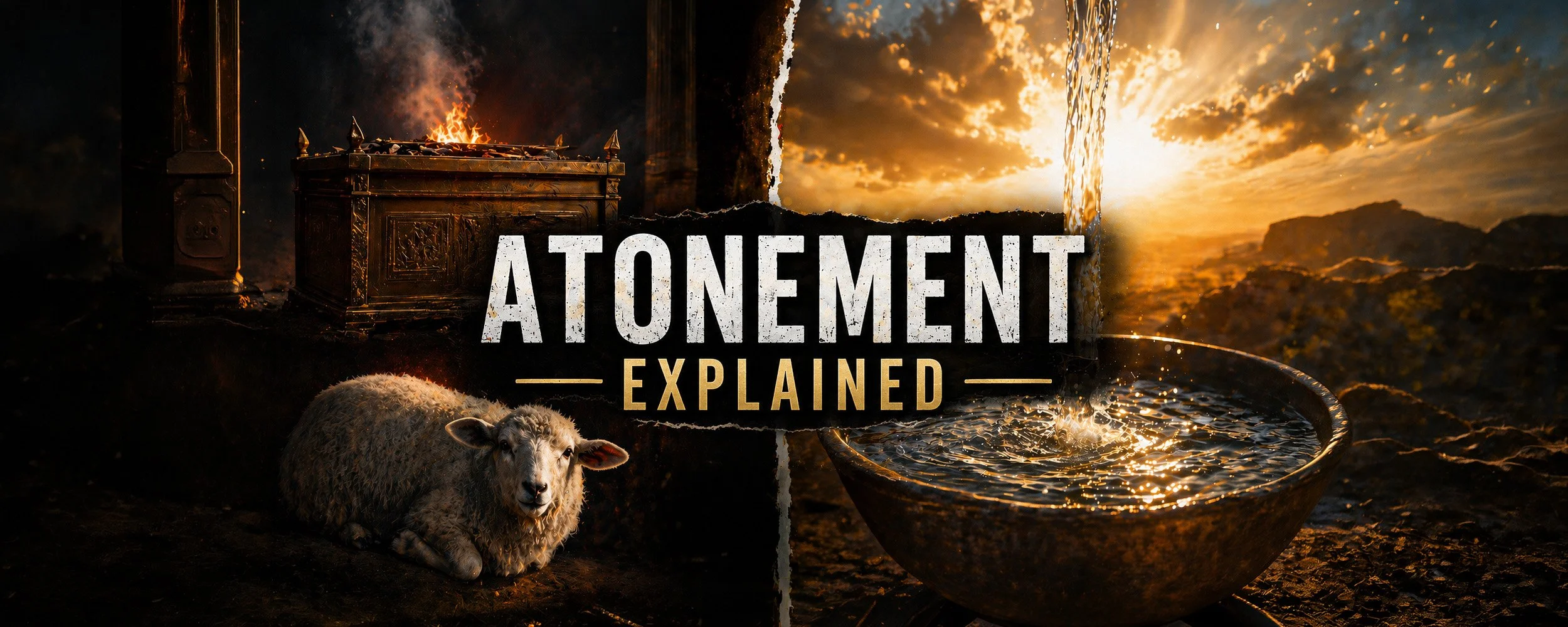
Atonement Explained is a biblical teaching series designed to help viewers rethink what sacrifice and atonement really mean. With careful attention to Leviticus, the sacrificial system, Passover, grace, and the role of Yeshua, the series explores whether popular Christian ideas about penal substitution fully reflect the story and logic of Scripture.
-
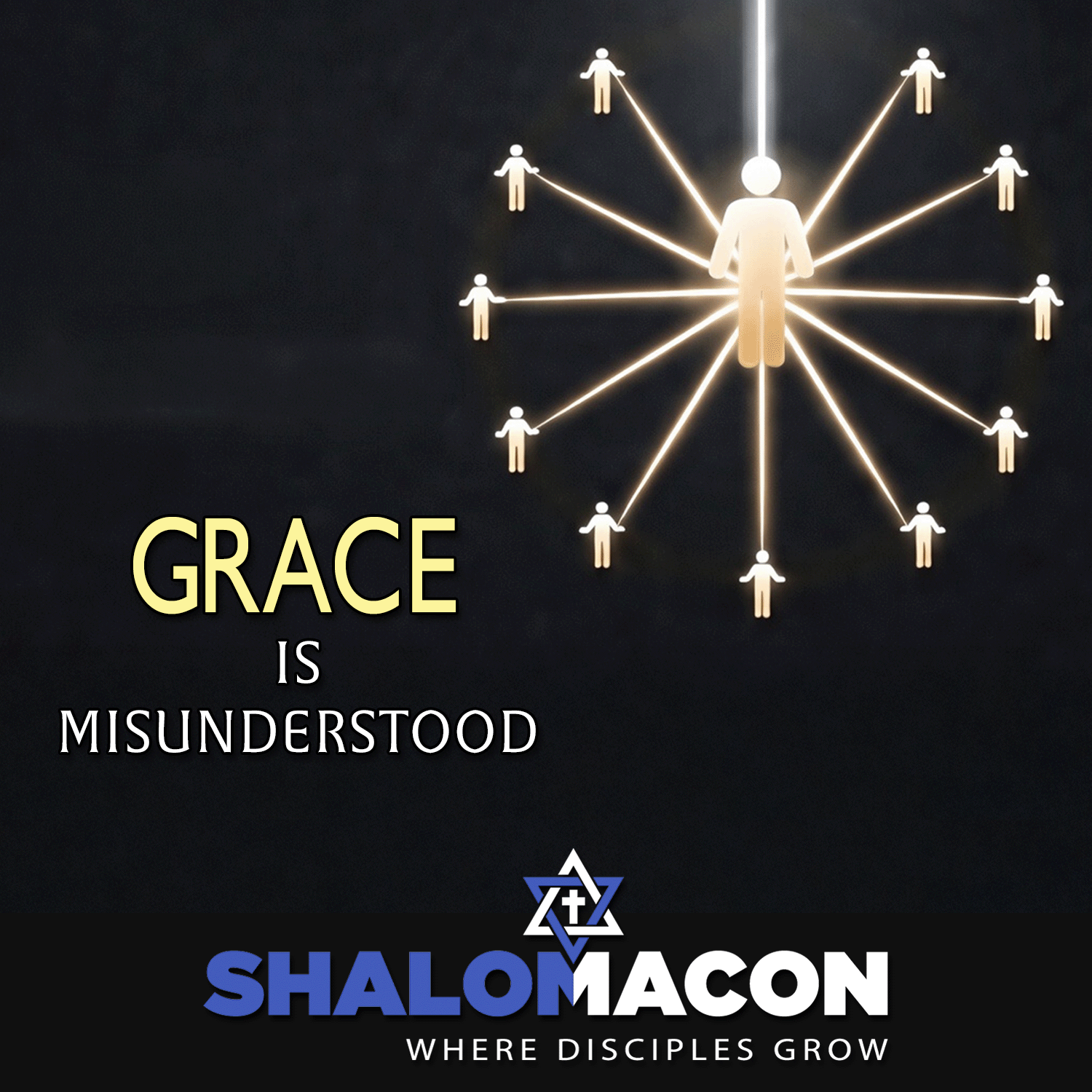
Grace is Misunderstood
What does grace really mean? In this opening message, Rabbi Damian Eisner challenges common assumptions about grace and salvation by tracing the biblical idea of chen as favor that is connected to tested faithfulness, covenant standing, and solidarity with others. Looking closely at Moses and Israel after the golden calf, this teaching shows that divine favor was already operating in Scripture in ways many believers have never fully considered.
-

Worthy to Save?
If Yeshua’s (Jesus) obedience was automatic, then in what sense was it ever truly tested? And if it was not tested, in what sense does he fulfill the biblical pattern of the righteous mediator? In this message, Rabbi Damian Eisner continues his teaching series on atonement by exploring the merit of Messiah and challenging familiar assumptions about salvation and sacrifice.
-
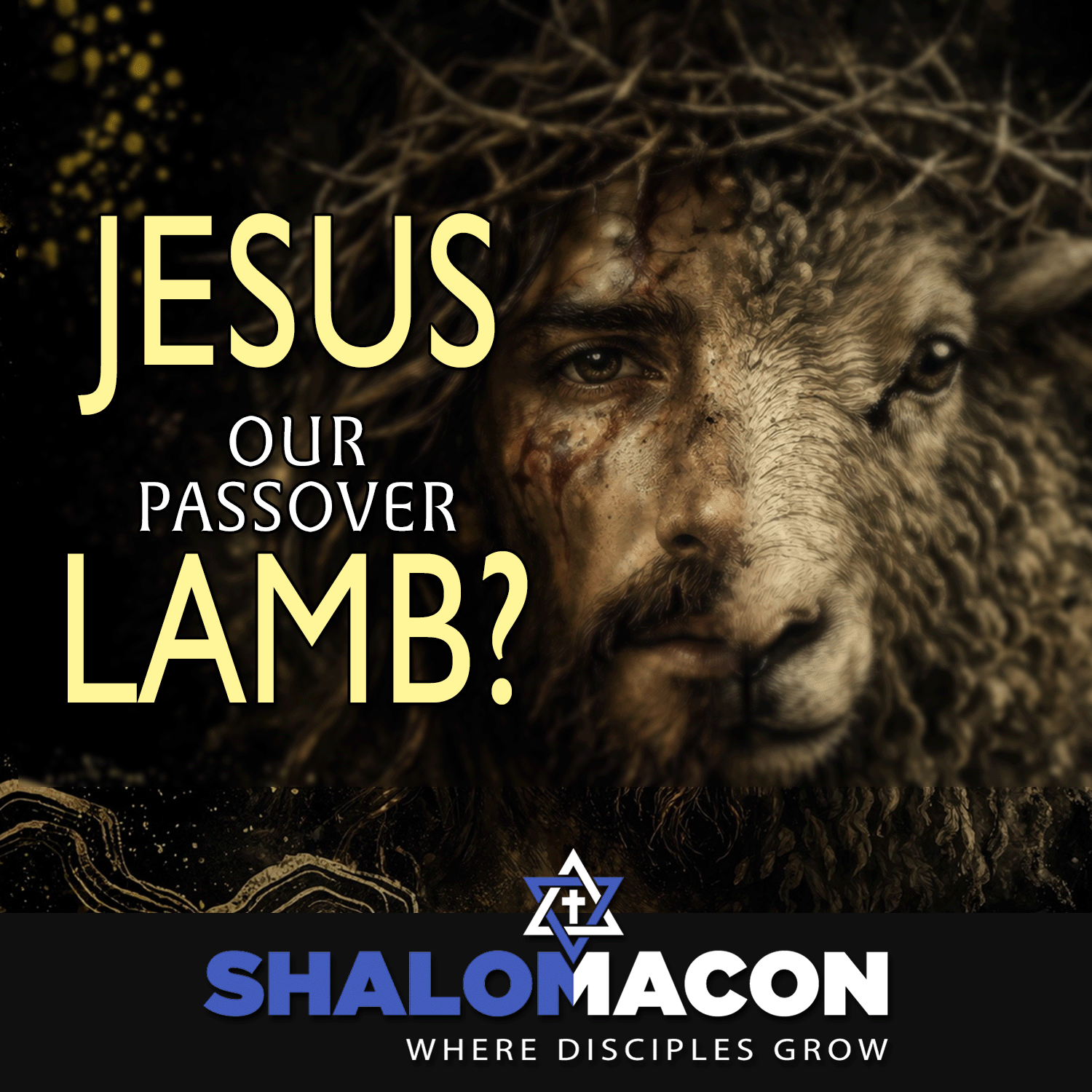
Jesus: Our Passover Lamb?
Was the Passover lamb actually a sacrifice for sin? In this message, we look closely at Exodus 12 and challenge one of the most common assumptions in Christian theology. What was the Passover lamb doing? What did the blood mean? And how should this shape the way we understand Jesus, sacrifice, and atonement? This teaching explores the biblical text carefully and argues that the Passover story may not mean what many of us were taught to assume.
-
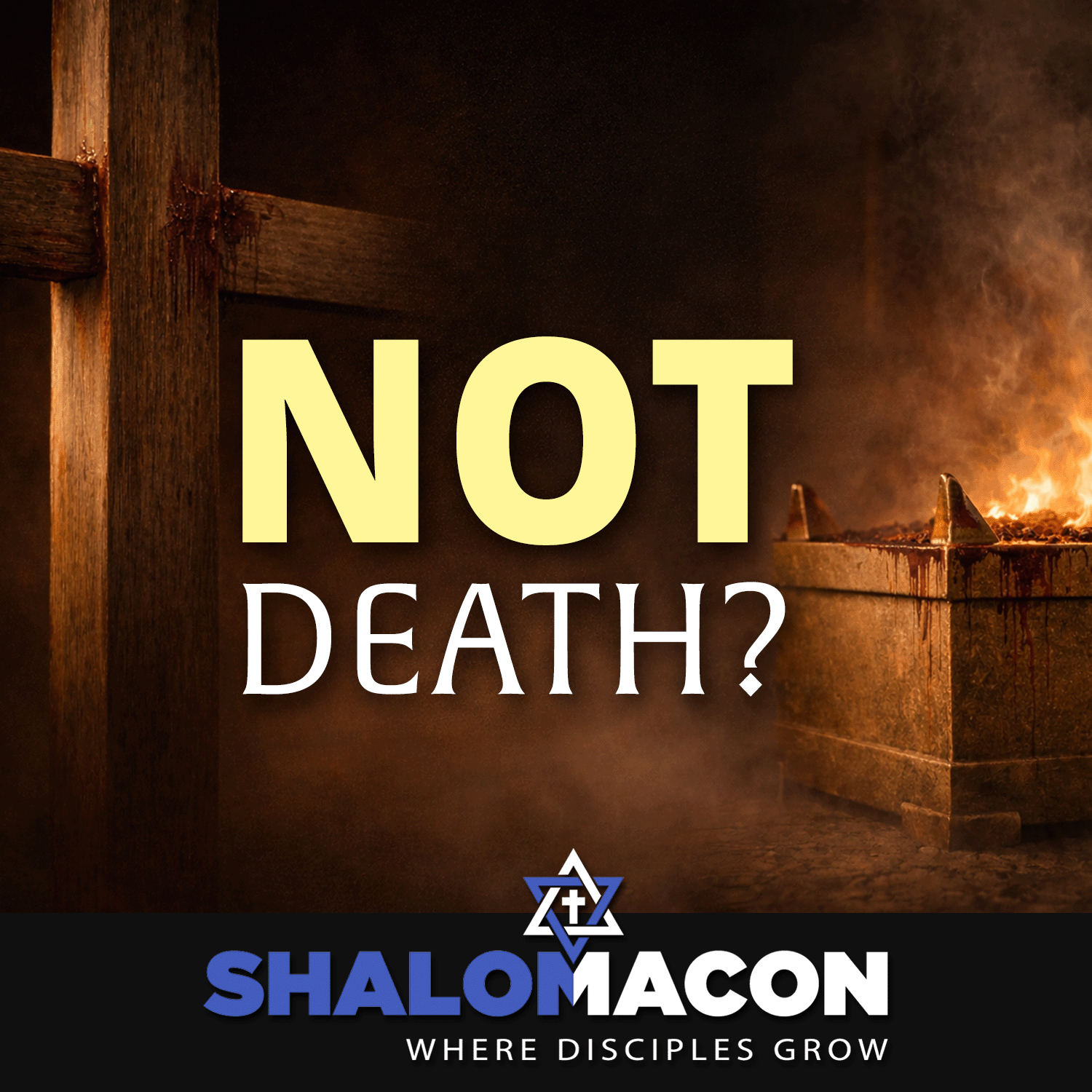
What Sacrifice Actually Does
When you hear the word sacrifice (atonement), do you immediately think of sin, punishment, and death? What if the Torah paints a completely different picture—one centered on relationship, presence, and access? Explore the profound symbolism of blood within the Torah, showing how it signifies a movement towards greater holiness and intimacy with God. We examine the concept of a blood covenant, where blood bonds God and people, and its role in purification, not as a sin offering or substitution. Join us for this torah study to deepen your understanding of these ancient practices from a Messianic Judaism lens.
-
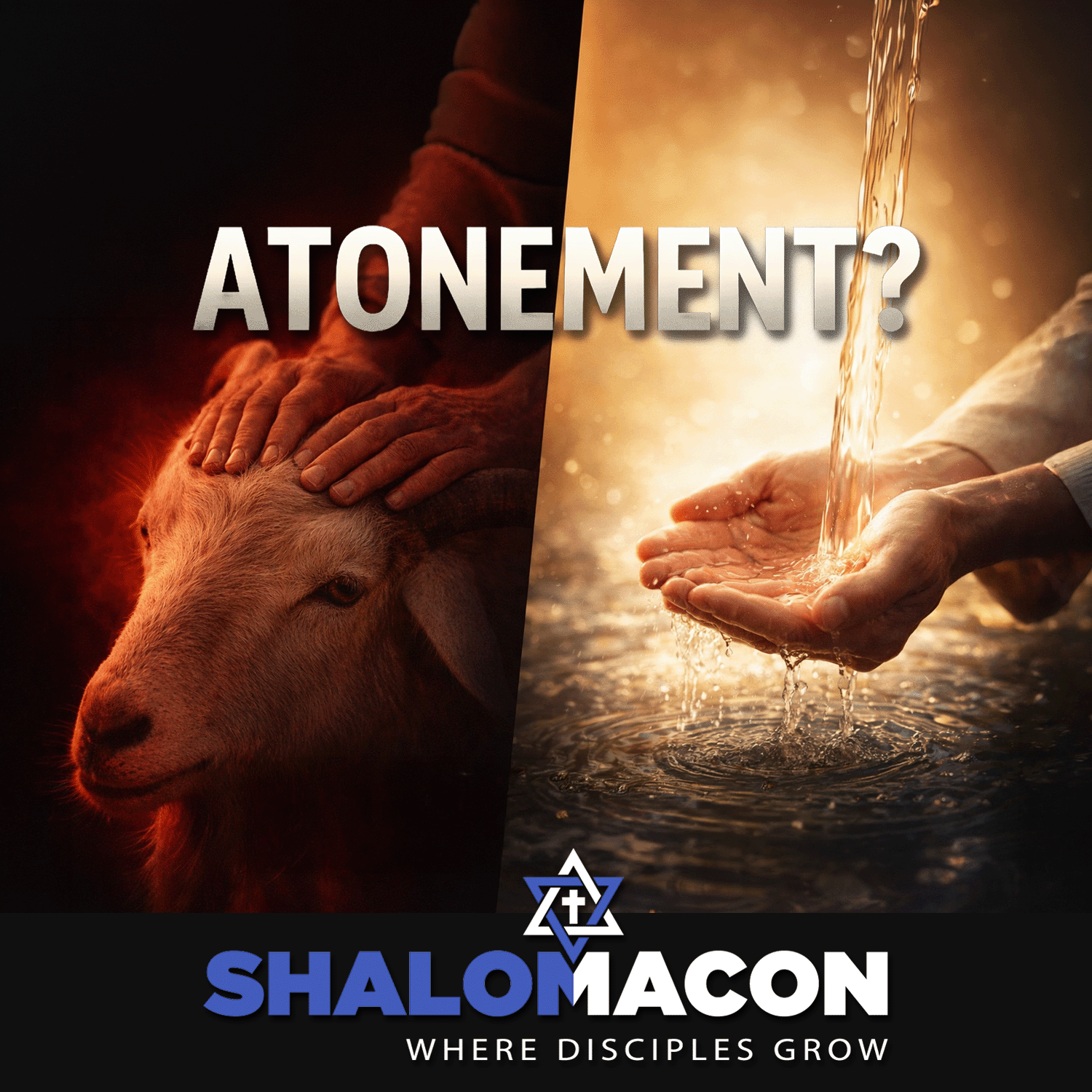
What Atonement Really Means
What if everything you thought “atonement” meant… isn’t what the Bible is actually saying? If you misunderstand atonement in the Torah, Why would an altar need atonement? What does blood actually do in the sacrificial system? And if sacrifice isn’t about substitution… what is it about?you miss the New Testament.
By exploring the Hebrew concept of kapar, the difference between ritual and moral impurity, and the purpose of purification offerings, this message challenges deeply held assumptions about sacrifice, sin, and even how we understand Yeshua’s work. This isn’t surface-level theology. It’s foundational.
-

When Blood Isn't Enough
Is atonement about forgiveness… or purification? Is the sanctuary the focus—not the person? And what happens when the system reaches its ceiling? We’ll explore the powerful imagery of the “tote goat,” the role of blood as life, and why even the most sacred rituals could not ultimately transform the human heart. This isn’t about tearing anything down—it’s about asking a better question: What is Scripture actually teaching? Join us as we wrestle with the deeper meaning of atonement—and why it matters more than you think.
-

Washed With Water
Rabbi Damian Eisner explores the biblical meaning of sacrifice, Yom Kippur, the Holy of Holies, and why blood functioned as purification in the Torah. Discover the Jewish context behind atonement, forgiveness, and the sacrifice of Messiah in a way most Christians have never been taught. This teaching helps believers understand the deeper meaning of Torah, sacrifice, Leviticus, and the work of Yeshua through a Messianic Jewish lens rooted in Scripture, history, and the Jewish context of Jesus. For centuries, many have assumed that forgiveness requires sacrifice—that sin demands blood, and that God cannot forgive without it. But what if the prophets themselves challenge that assumption?
-
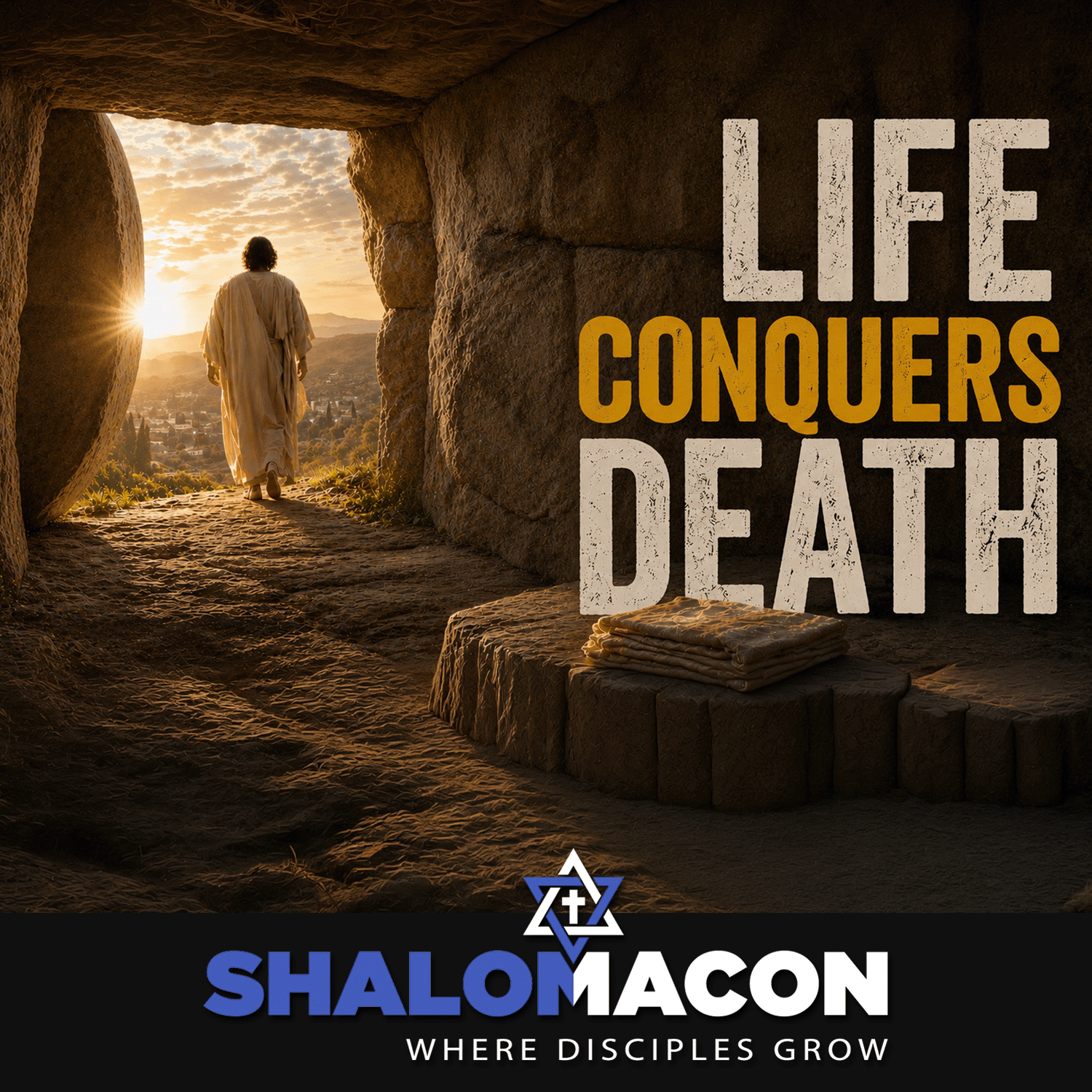
Life Conquers Death
What if the Gospels are telling a bigger story than we’ve been taught? This is how through patterns, holiness reversed the curse: Life conquers death. In this powerful continuation of the Atonement Explained series, Rabbi Damian Eisner explores a stunning pattern woven throughout the Gospels: whenever Yeshua encounters impurity, suffering, or death itself, the direction reverses. Instead of impurity spreading to Him, holiness flows outward from Him.
-
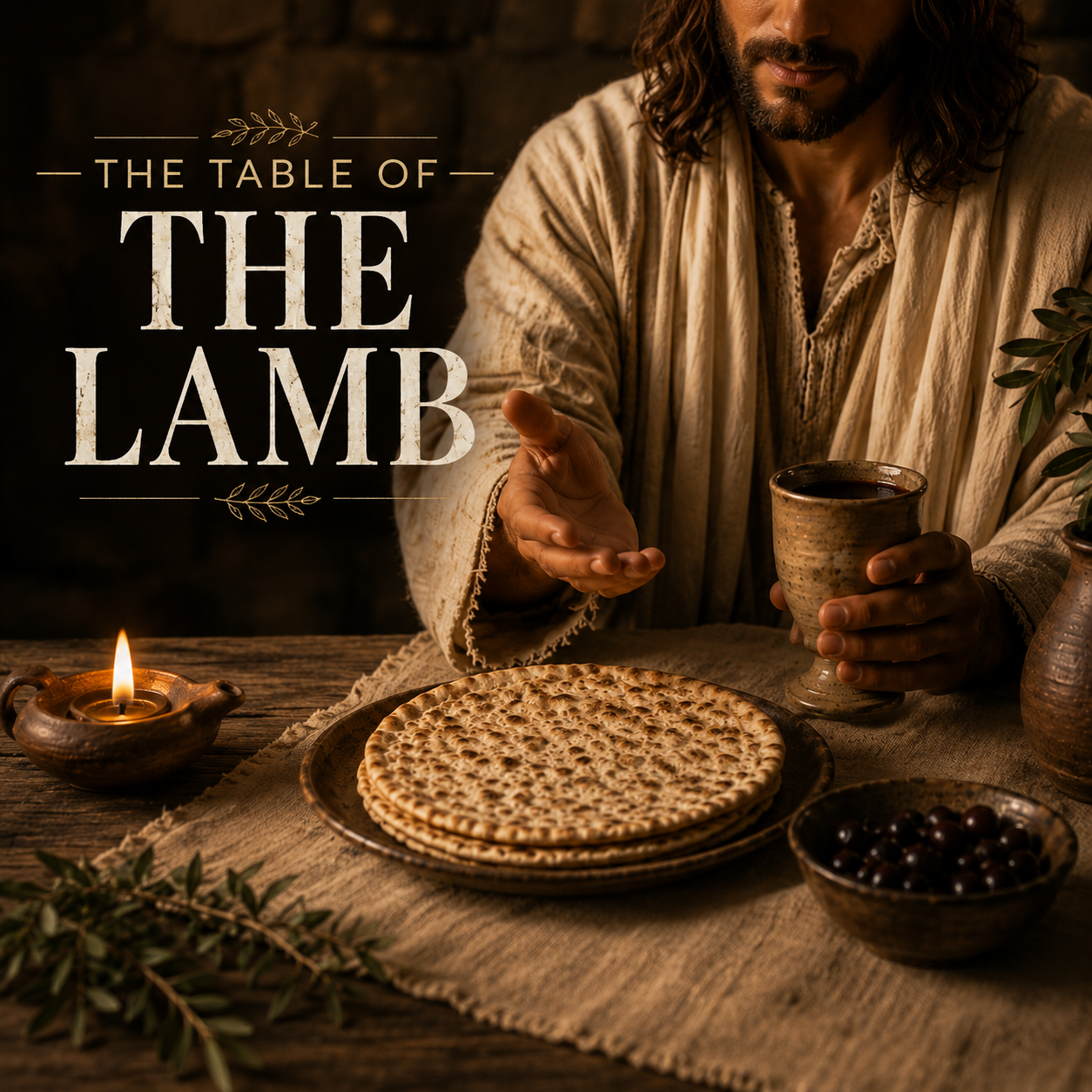
The Table of the Lamb
What if we’ve misunderstood the meaning of the Lord’s Supper all along? At the Table of the Lamb, the last supper, when John calls Yeshua Jesus “the Lamb of God,” was he pointing to punishment… or to Passover, covenant, deliverance, and shared life with God? Why does Yeshua frame His final meal around bread, wine, and covenant language instead of Yom Kippur imagery? And what did His disciples hear when He said, “Drink it”? In this teaching, Rabbi Damian explores the sacrificial grammar behind the Table of the Lamb — connecting Passover, Exodus 24, Sinai, covenant blood, John 6, and the prophetic promises of Jeremiah and Ezekiel. Along the way, difficult passages begin to open in ways many believers have never considered before.
-
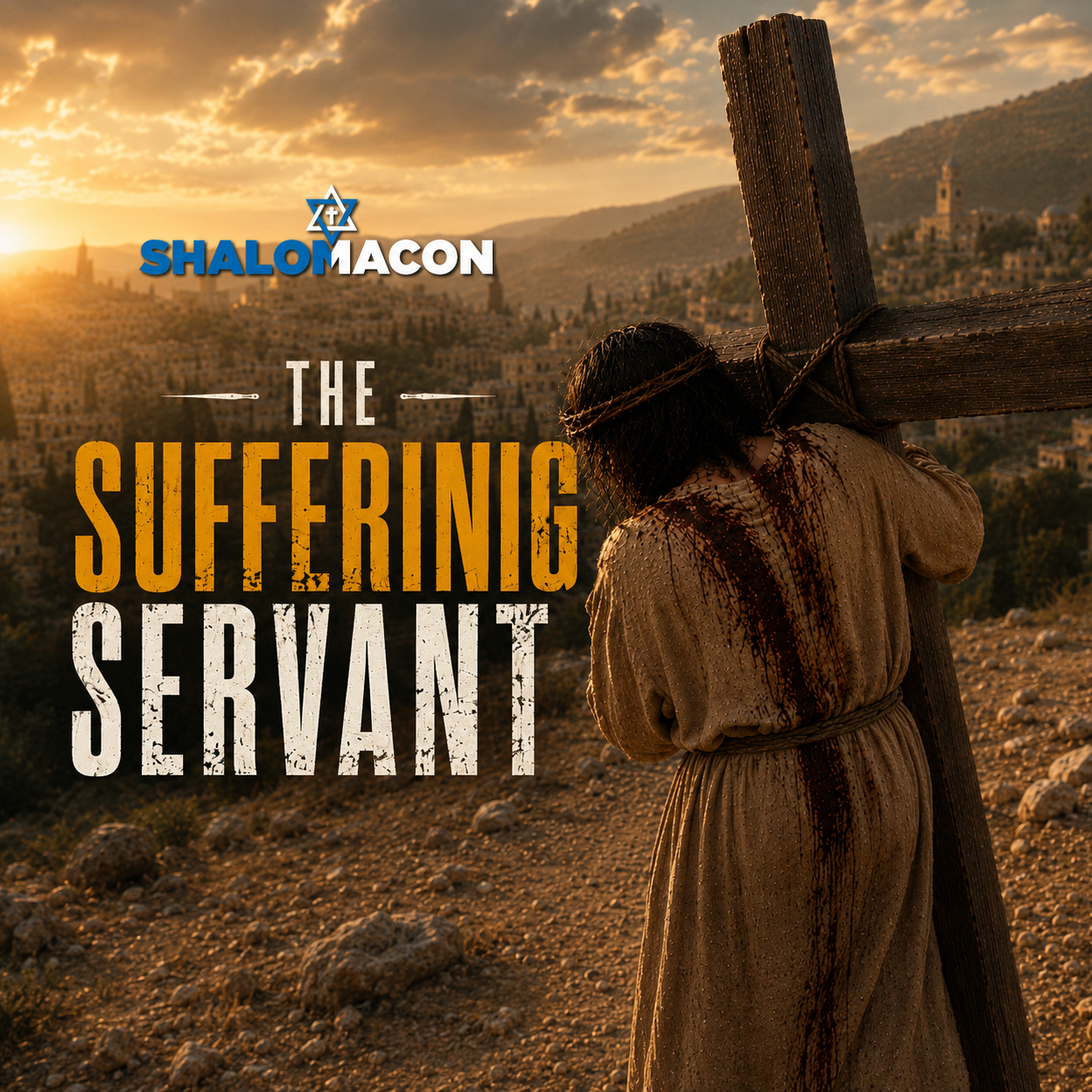
The Suffering Servant
What if we’ve been reading Isaiah 53 through the wrong lens the entire time? In this powerful sermon on "Atonement Explained" Rabbi Damian takes on one of the most debated passages in the Bible: the Suffering Servant of Isaiah 53. Was Yeshua punished instead of us… or is something far deeper happening in the text? Why does Isaiah describe the servant as carrying griefs, sicknesses, and sorrows? Why does Peter say Messiah suffered not merely for us, but as an example for us to follow? And what if the cross is less about divine wrath being satisfied… and more about God overcoming death through faithful suffering? From Joseph’s betrayal to the Exodus, from the Hebrew meaning of musar to the prophetic imagery of healing and restoration, this teaching challenges deeply rooted assumptions while remaining anchored in Scripture. Could the cross be about vindication instead of vengeance? Could Isaiah 53 be telling a bigger story than many of us were taught?
-

Ahead Not Instead
For centuries, many Christians have understood the cross primarily through the lens of punishment and substitution. But is that the story the Bible is actually telling? In this final installment of our Atonement Explained series, we explore a different question: What if Yeshua did not simply die instead of us, but went ahead of us—entering the human condition, confronting the powers of sin and death, and emerging with an indestructible life that we are now invited to share? Together we'll examine:
• Romans 6 and what it means to be crucified with Messiah
• Romans 8 and the meaning of "condemned sin in the flesh"
• 2 Corinthians 5:21 and "made him to be sin"
• The difference between substitution and participation
• The faithfulness of Yeshua and the path of discipleship
• Why the New Testament repeatedly calls believers to die, rise, and walk with Messiah
• How atonement restores heaven and earth through holiness, cleansing, and covenant relationship
This teaching challenges common assumptions while inviting us back into the biblical story of redemption, faithfulness, resurrection life, and transformation. The cross is not merely something that happened for us. It is also the path we are called to follow. "He goes ahead, not instead."