

Ready to Grow?
Get Shalom Macon teachings anywhere, anytime!
Latest Teaching:
My Day of Judgement
Rosh Hashanah is known as Yom HaDin—the Day of Judgment. But what if God is not the only one who must render a judgment on this day? As the books are opened and every life passes individually before the King, we are confronted with questions no one else can answer for us: Who will rule my life in the coming year? What have I learned from the year behind me? What must I surrender, repair, or finally change? The traditional themes of Rosh Hashanah—Malchuyot, Zikhronot, and Shofarot—declare God’s kingship, call upon Him to remember us for good, and summon us through the sound of the shofar. But these are not merely words to recite or sounds to hear. Each one demands a personal response. The shofar cannot make God King over you. It cannot repair a damaged relationship, offer an apology, or turn painful memories into wisdom. It can only call—and then you must decide whether you will truly hear it. What did 5786 teach you that 5787 should not have to teach you again? What will change before the gates close? This Rosh Hashanah, the judgment is deeply personal—and so is the hope.
Listen up!
Do you prefer audio teachings? Subscribe to the podcast
through these channels:




Recent Messages
-
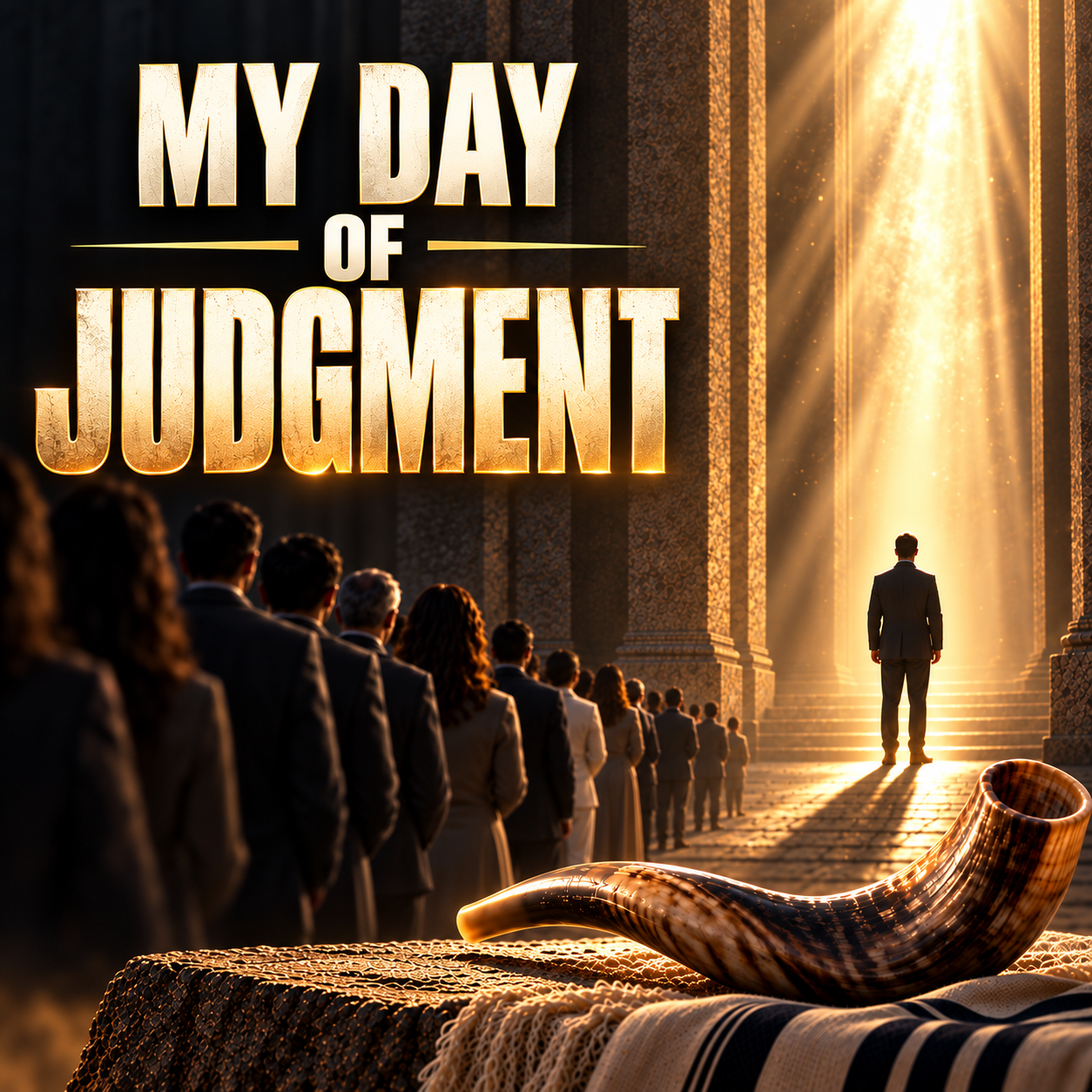
My Day of Judgement
Rosh Hashanah is known as Yom HaDin—the Day of Judgment. But what if God is not the only one who must render a judgment on this day? As the books are opened and every life passes individually before the King, we are confronted with questions no one else can answer for us: Who will rule my life in the coming year? What have I learned from the year behind me? What must I surrender, repair, or finally change? The traditional themes of Rosh Hashanah—Malchuyot, Zikhronot, and Shofarot—declare God’s kingship, call upon Him to remember us for good, and summon us through the sound of the shofar. But these are not merely words to recite or sounds to hear. Each one demands a personal response. The shofar cannot make God King over you. It cannot repair a damaged relationship, offer an apology, or turn painful memories into wisdom. It can only call—and then you must decide whether you will truly hear it. What did 5786 teach you that 5787 should not have to teach you again? What will change before the gates close? This Rosh Hashanah, the judgment is deeply personal—and so is the hope.
-
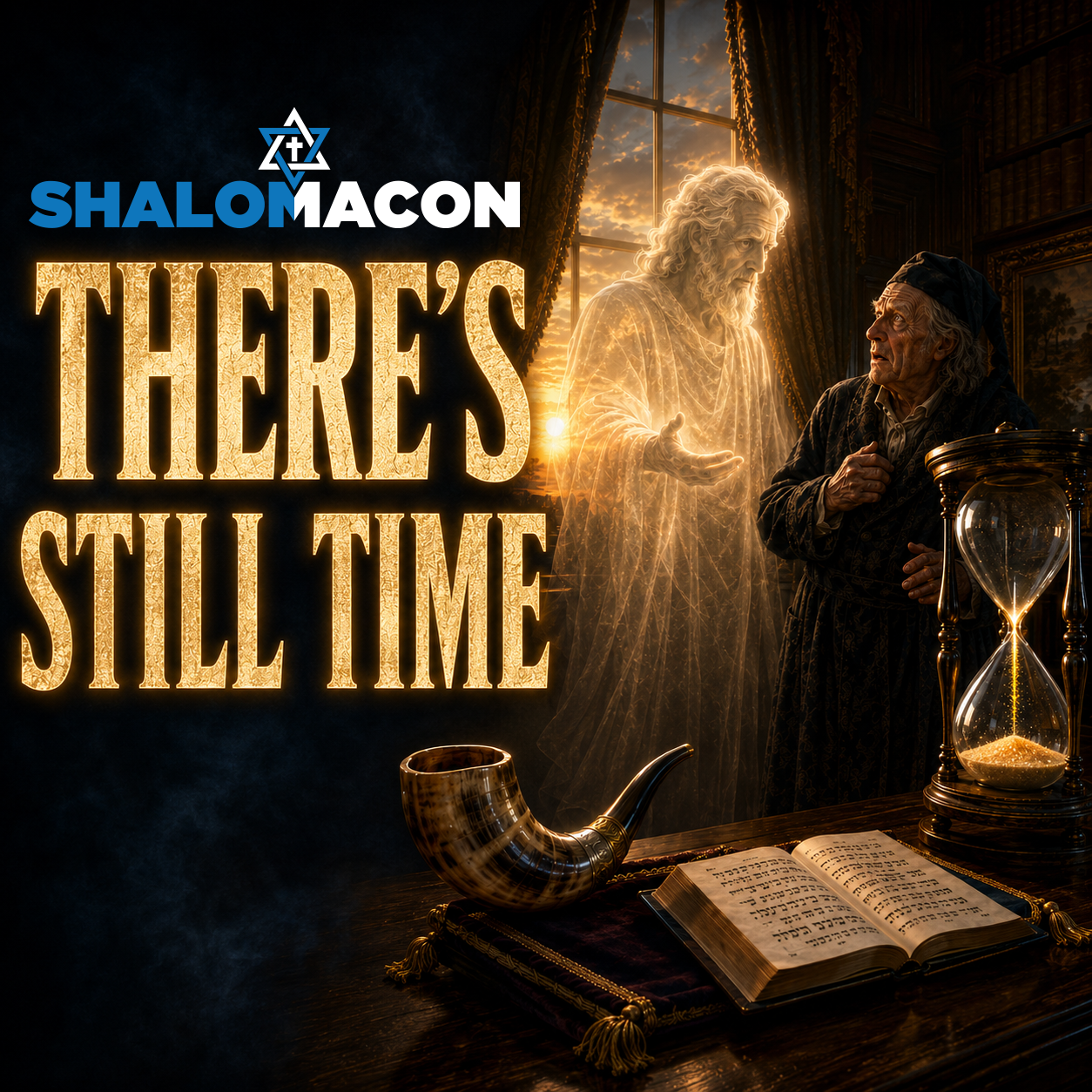
There's Still Time
This teaching looks at cheshbon hanefesh through an unlikely lens from English literature. It’s not written by a Jew, was not written about Elul, and is not read anywhere near the fall. We are going to use it anyway to help us understand the difference between being forgiven and being formed. Last Shabbat of Elul. The shofar has not sounded. There is still time.
-
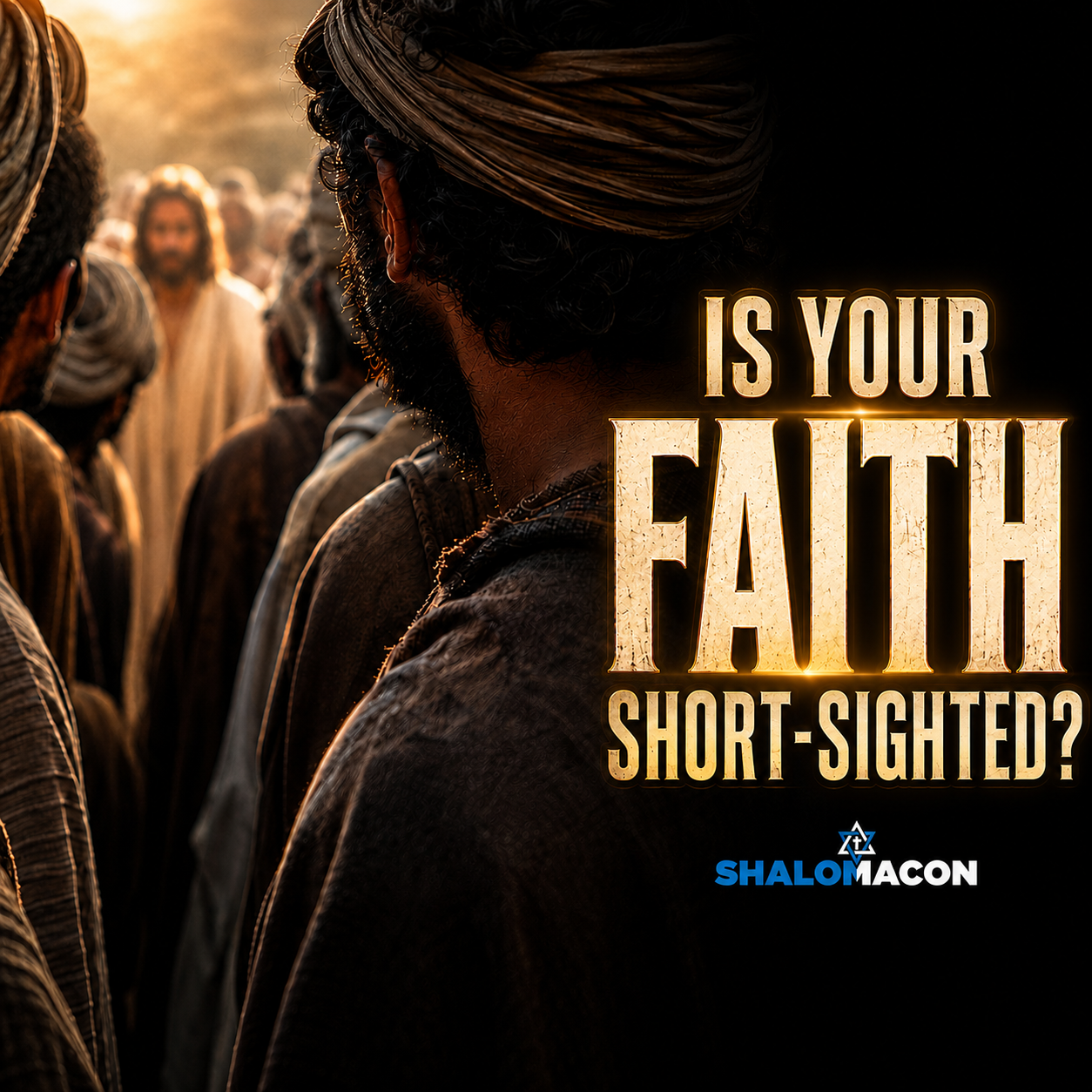
Is Your Faith Short-Sighted?
Have you ever looked at something familiar from the wrong perspective and failed to recognize it? Sometimes our spiritual lives become just as blurry. When our attention is fixed only on work, finances, relationships, responsibilities, and the crises directly in front of us, we can lose sight of the bigger picture. Our identity becomes unclear. Our purpose fades. Even our faith can become short-sighted. In this message, we explore the connection between stereograms, macro photography, the firstfruits declaration in Ki Tavo, and the way Yeshua continually directed His disciples toward the coming Kingdom. What happens when the temporary becomes more vivid to us than eternity? What does teshuvah have to do with regaining our spiritual focus? And how can the sound of the shofar help us turn our attention back toward Hashem, His Kingdom, and the return of our King? Elul is a season of preparation—a time to examine where we have placed our focus and make the necessary adjustments. Are you living only for what is directly in front of you, or are you preparing for what is yet to come? Is your faith short-sighted?
Sermon Series
Don’t know where to start?
This series will introduce you to Jesus in His Jewish context.

The Jewish Jesus
It sounds so simple and obvious: The Jewish Jesus. But this essential truth has been lost to nearly all of his followers. Why has the Jewishness of Jesus been downplayed or even denied throughout a large part of history? Why is this one simple fact critical to our relationship with him?


